
Companion Dog Preparation
Foundational obedience, household manners, routines, calm behavior, and handler education designed to support a dependable veteran-dog relationship.
Training for everyday lifeServing those who served
Companion Care for Veterans helps veterans pursue dependable dog companionship and emotional support, connects adoptable dogs with thoughtfully matched homes, partners with local shelters, and brings education and practical support together in one mission.

Our mission
We believe support should feel personal, practical, and dignified. Our work begins with listening—then builds around the veteran, the dog, and the home they may share.
Needs, goals, living conditions, and personal dignity guide every conversation.
The right outcome must be safe, humane, sustainable, and appropriate for the dog as well as the veteran.
Rescues, trainers, volunteers, educators, donors, and veteran advocates can accomplish more together.
What we do
Each program is designed to respect the veteran’s goals, the dog’s wellbeing, and the practical realities of life together.
Foundational obedience, household manners, routines, calm behavior, and handler education designed to support a dependable veteran-dog relationship.
Training for everyday lifeWorking with local shelters, rescues, and foster partners to identify adoptable dogs whose temperament, energy, care needs, and home compatibility may align with a veteran’s life.
Rescue partnerships • thoughtful matchingCheck-ins, education, partner referrals, and practical assistance that can help a veteran and dog remain safe, healthy, and stable after adoption or placement.
Support beyond adoption dayWorkshops and trusted referrals on dog care, transition planning, veteran resources, wellness support, and other community services that strengthen daily life.
Clear information, respectful guidanceChoose a place to begin
Use the application that best fits your situation. Each submission goes directly to Companion Care for Veterans for review and follow-up.
Tell us about the veteran, household, goals, and the type of companionship, adoption, training, education, or practical support being requested.
Complete the veteran applicationVolunteer with dog care, fostering, transportation, events, outreach, education, administration, fundraising, photography, or professional skills.
Submit a volunteer applicationShare information about a dog that may need rescue, shelter coordination, foster care, adoption support, or consideration for a veteran home.
Submit a dog referralCoordinate candidate-dog referrals, adoption fees, veterinary records, foster or transport support, behavioral information, and veteran-focused adoption pathways.
Become a shelter or rescue partnerSubmitting an application or referral does not guarantee acceptance, placement, funding, pickup, training, adoption, or a particular response time. Capacity, safety, dog welfare, available funding, and partner resources control what assistance may be offered.
How it works
A successful bond begins before a dog comes home and continues long after the first photograph together.
Share practical information about the veteran, household, current needs, dog experience, and the support being requested.
The organization considers housing, lifestyle, mobility, family dynamics, other animals, dog temperament, care needs, and available resources.
That may include a shelter or rescue referral, adoption support, training, education, volunteer help, veterinary coordination, or another resource.
Follow-up, education, and community support help the veteran and dog adjust, communicate, and build a sustainable routine.
Every situation is individual. Submission of a request does not guarantee eligibility, a dog match, placement, funding, training completion, or a specific timeline. Dog safety, veterinary suitability, resources, and the wellbeing of all involved remain essential.
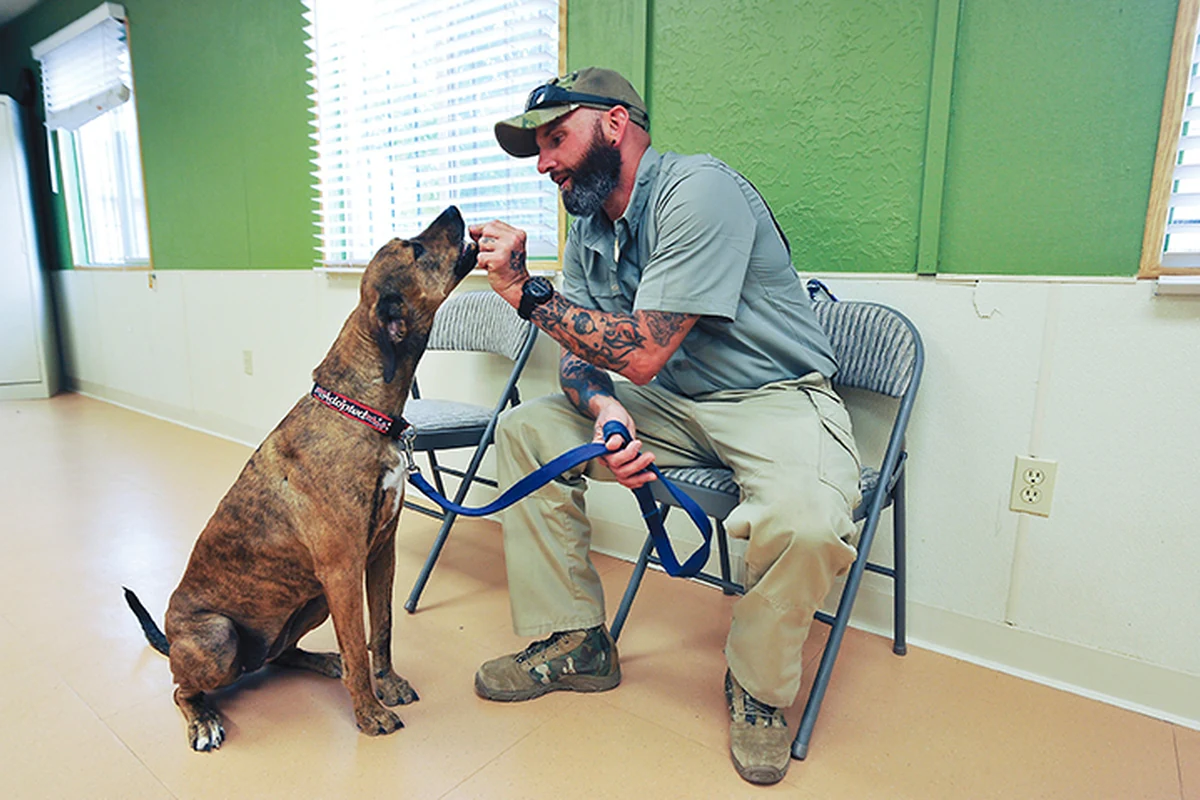
Why the bond matters
The right companion can bring routine, connection, responsibility, movement, and a steady presence into daily life. Our role is to help make that relationship thoughtful and sustainable.


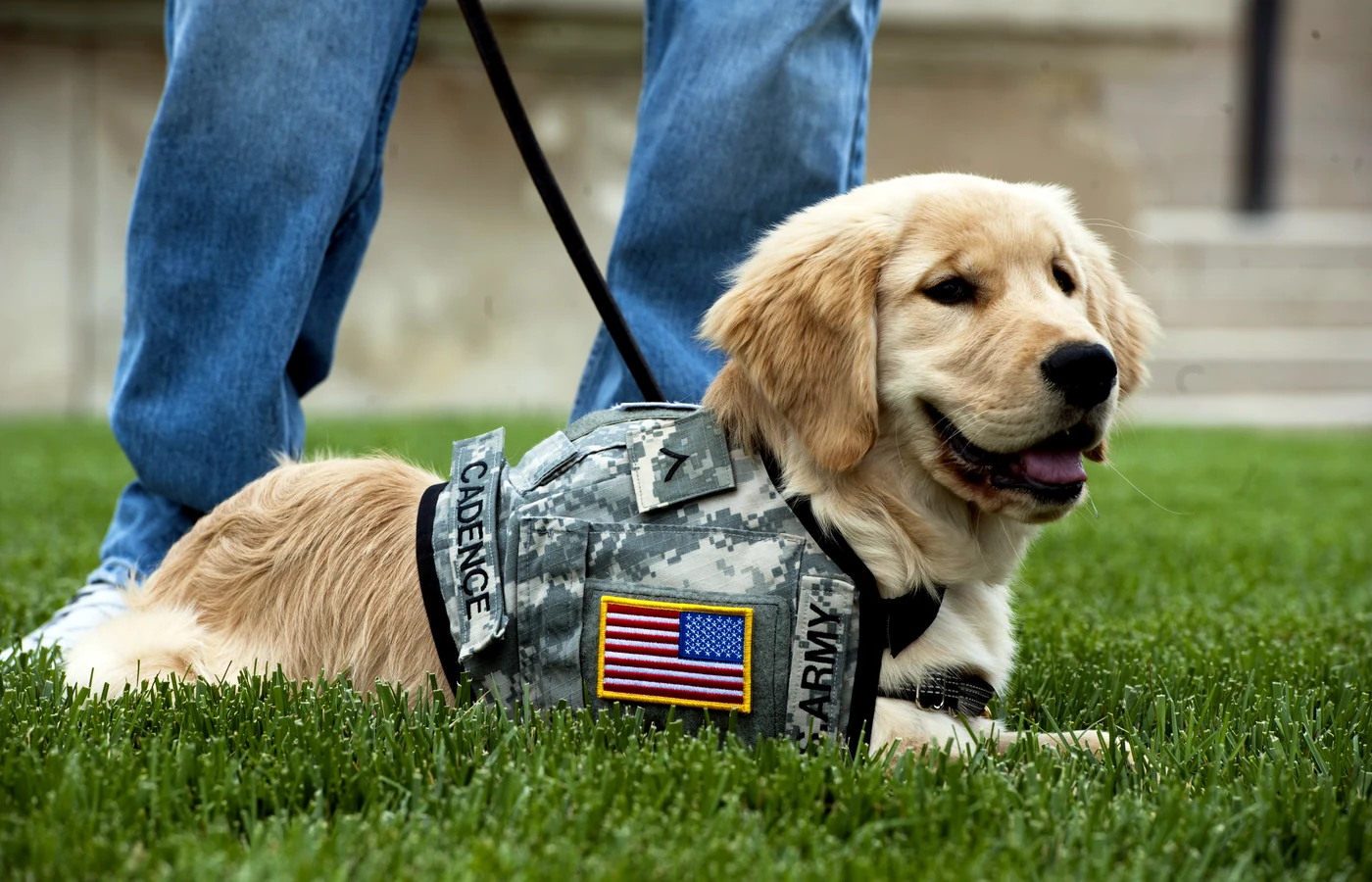
Shelter and rescue partnerships
Companion Care for Veterans welcomes partnerships with municipal and county shelters, humane societies, rescue organizations, foster networks, veterinarians, and animal-welfare professionals.
Important: Companion Care for Veterans is not an animal-control agency or guaranteed open-intake shelter. Urgent, injured, dangerous, or actively endangered animals should be reported immediately to local animal control, law enforcement, or an emergency veterinarian.

Meet the founder and director
Maria Saenz founded Companion Care for Veterans from a deep love for dogs and profound respect and appreciation for the veterans who protected our country.
Maria serves as the organization’s Founder, Director, and an active volunteer. She receives no salary, stipend, fee, or other compensation for her work, and she does not accept payment for her services. She gives her time out of kindness and a sincere commitment to helping veterans and dogs.
Her vision is to connect veterans, shelters, rescues, trainers, volunteers, educators, donors, and community partners—turning gratitude into practical support, responsible adoption, education, and lasting companionship.
Volunteers needed
The organization is building a dependable volunteer team for dog care, rescue coordination, veteran outreach, education, transportation, events, administration, and fundraising.
Help with feeding, exercise, enrichment, temporary foster care, adoption preparation, supplies, and safe daily routines.
Volunteer with dogsAssist with safe rides to shelters, veterinary visits, training, foster homes, adoption meetings, and community events.
Help with transportationSupport workshops, resource navigation, respectful outreach, follow-up calls, community presentations, and veteran events.
Serve the veteran communityContribute planning, bookkeeping, communications, grant research, social media, photography, event, or professional skills.
Share your skillsGive with purpose
The organization states that donations are used only for dog-care, rescue, adoption, training, education, operational mission costs, and veteran-support purposes.
Trusted resources
These official resources are provided for education and immediate connection. Companion Care for Veterans is not a crisis service, medical provider, legal adviser, or government agency.
Free, confidential support is available 24 hours a day for veterans, service members, and the people who care about them.
988Press 1 after dialing, or text 838255.
Visit the official crisis line websiteCall 911 for an immediate life-threatening emergency.
Under the ADA, comfort or emotional support alone does not make a dog a service animal. A service dog is individually trained to perform work or tasks related to a disability.
Read the official ADA FAQCompanion Care for Veterans does not sell certifications or represent that every dog in its programs is an ADA service animal.
The Department of Veterans Affairs publishes information about service dogs, guide dogs, veterinary benefits, PTSD, and related veteran health resources.
Visit VA’s National Center for PTSD Review VA service dog benefitsExternal links do not imply sponsorship, approval, or affiliation.
Frequently asked questions
The organization is developing programs and partnerships while its federal tax-exemption application is pending. Contact us for the most current availability.
Use the dedicated Veteran Companion Support Application. It asks for practical information about the veteran, household, dog experience, goals, and support being requested. Do not submit Social Security numbers, detailed medical records, military records, or financial-account information. An application does not guarantee eligibility, funding, training, adoption, placement, or a response by a particular date.
Yes. Use the dog referral form to provide the dog’s location, condition, behavior, ownership status, and current safety. The referral is not a surrender agreement and does not transfer custody. Companion Care for Veterans is not animal control or a guaranteed open-intake shelter. For an injured, dangerous, actively endangered, or traffic-exposed animal, contact local animal control, law enforcement, or an emergency veterinarian immediately.
Yes. The organization is seeking volunteers for dog care, foster coordination, transportation, adoption events, veteran outreach, education, administration, fundraising, communications, photography, and qualified professional support. Roles are unpaid and may require screening, training, references, waivers, or a background check.
No. Maria Saenz serves as Founder, Director, and a volunteer. She receives no salary, stipend, fee, or other compensation and does not accept payment for her services. The organization states that donations are not used to pay her.
The organization states that donations are used only for dog care and veteran-support purposes, including food and supplies, adoption and rescue fees, vaccinations and veterinary care, temporary shelter or foster costs, training, transportation, facility or rent costs, education, outreach, and other mission-related expenses. Available funds may be allocated among needs as determined by the organization.
Federal recognition under Section 501(c)(3) is pending. The organization is not presently promising that a gift is deductible. The tax treatment may depend on the IRS determination, its effective date, the nature of the gift, and the donor’s circumstances. Donors should retain records and consult their own tax adviser.
The organization’s stated focus is companion dogs, emotional-support-centered companionship, adoption connections, education, and other veteran support. Comfort or emotional support alone does not make a dog a service animal under the ADA. The organization does not sell certifications or represent that every dog is task-trained as an ADA service animal.
Yes. Companion Care for Veterans welcomes discussions with shelters, rescues, foster networks, veterinarians, trainers, and animal-welfare professionals about candidate-dog referrals, behavioral and veterinary information, adoption fees, transport, foster care, training, and veteran-focused adoption pathways. A website submission is only a request to discuss partnership and is not a binding agreement.
Contact us
For general questions, sponsorships, education, or professional partnerships, send a message below. Veterans, volunteers, shelters, and dog referrers may use the dedicated applications for a more complete response.
Not an emergency service. Do not use this form for an urgent mental-health or safety crisis. Dial 988 and press 1 for the Veterans Crisis Line, or call 911 for an immediate life-threatening emergency.